Automated mixed case palletizing helps distribution and manufacturing operations build stable pallets when products vary in size, weight, shape, or packaging. Instead of relying on operators to make constant stacking decisions, automated equipment can evaluate product characteristics and execute repeatable load patterns that support downstream handling.
Understanding how automated mixed case palletizing improves efficiency starts with recognizing how much complexity mixed loads introduce. The right system can improve consistency, protect products, and keep material moving with fewer interruptions while giving facilities a more controlled approach to pallet formation.
Why Mixed Case Palletizing Creates Operational ChallengesUniform pallet loads follow predictable patterns because every case typically shares the same dimensions and handling characteristics. Mixed case loads require a different approach. A palletizer may need to place heavy cartons at the bottom, position smaller cases to avoid gaps, and handle pressure-sensitive packaging.
Manual palletizing places these decisions on employees who must work quickly while handling changing product sequences. Even experienced operators can build loads differently from one pallet to the next. That variation can affect stability and increase the chance of product damage during conveying, wrapping, storage, or transportation.
Automation creates a repeatable process for managing those variables. A properly configured mixed case palletizing system uses programmed logic and product data to determine how cases should enter the load. This approach gives facilities greater control over pallet quality without depending on stacking techniques.
Improve Load Formation AccuracyAccurate load formation plays a central role in mixed case palletizing. Each placement affects the cases that follow, so small positioning errors can create larger stability problems as the pallet grows. Automated systems can control case orientation and placement more consistently than a process that depends on manual judgment.
TopTier’s experience with palletizing applications reinforces the importance of matching load formation to product characteristics. Case dimensions, package strength, weight distribution, and desired pallet configuration influence system design. Evaluating these details early helps create patterns that support the product instead of forcing every package into the same handling strategy.
Greater placement consistency can translate into fewer damaged loads and less product waste. It also helps reduce the need for employees to stop the line and rebuild unstable pallets. When loads leave the palletizer in a predictable condition, downstream processes can operate with fewer avoidable disruptions.
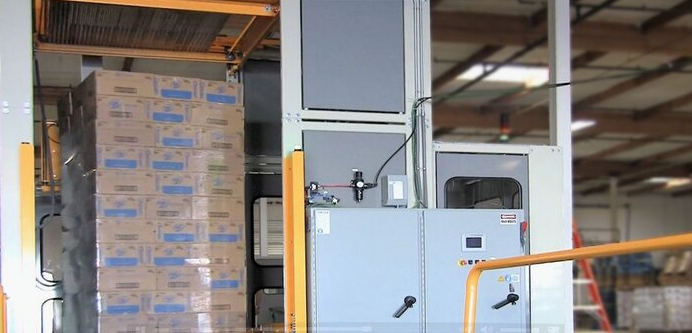
Robotic palletizing can provide flexibility when facilities handle changing case sizes or multiple product configurations. A robotic arm can pick cases and place them according to programmed patterns, allowing the system to respond to product variation without requiring operators to manually rebuild each mixed load.
The application still determines whether robotic technology provides the right fit. Facilities should consider case presentation, required throughput, available floor space, and the range of products the system must handle. End-of-arm tooling also matters because the robot needs to grip each package securely without crushing cartons or losing control during movement.
TopTier offers robotic and conventional palletizing expertise, which allows system planning to begin with the application rather than a predetermined equipment type. Selecting technology around production requirements helps facilities avoid unnecessary complexity while maintaining the flexibility needed for mixed case operations.
Reduce Manual Handling and Process VariabilityMixed case palletizing can demand constant attention from employees when a facility relies on manual stacking. Workers must identify products, determine placement, and maintain load quality while keeping pace with incoming cases. As product variety increases, repetitive decision-making can make consistent pallet formation harder to maintain.
Automation transfers much of that physical handling and pattern execution to equipment. Operators can focus more attention on monitoring production and responding to exceptions instead of repeatedly lifting and positioning cases. A standardized process also makes load quality less dependent on who happens to staff the palletizing area.
Reducing process variability supports more consistent output. Facilities can experience fewer pallet rebuilds and more predictable downstream handling when the system forms loads according to established parameters. Those improvements can also support uptime because employees spend less time correcting preventable palletizing issues.
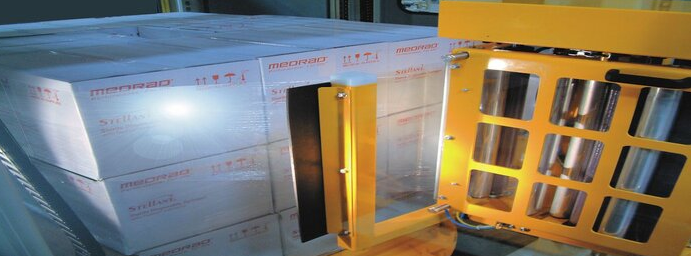
Coordinate Palletizing With Stretch WrappingA mixed pallet only delivers value if it remains stable after formation. Stretch wrapping therefore deserves consideration during palletizing system planning, especially when cases create uneven load profiles. Waiting until the pallet reaches a separate wrapping station can leave an unstable load vulnerable while it moves between processes.
TopTier’s concurrent stretch wrapping capability addresses this challenge by allowing load building and wrapping to occur within one machine. Applying containment as the load develops can help support products during formation instead of relying solely on a stack to remain stable before wrapping begins.
This integrated approach can reduce product movement and help facilities maintain more consistent load containment. Consistent film application can also reduce wasted stretch film compared with processes that depend heavily on manual adjustments. For operations focused on fewer damaged goods, palletizing and wrapping should function as connected parts of the end-of-line process.
Palletizing performance depends on more than the palletizer itself. Upstream case flow must deliver products in a sequence and orientation the equipment can manage, while downstream conveyors must move loads without creating bottlenecks. Poor coordination between these areas can limit the value of even capable palletizing equipment.
Mixed case applications make integration especially important because the system must track changing products. Controls need to coordinate product identification with case handling and pallet placement. When those functions work together, the palletizer can maintain a steadier process and reduce stops caused by incorrect case presentation.
TopTier’s palletizing focus supports an application-driven view of end-of-line integration. By considering load requirements, equipment layout, and wrapping needs together, facilities can build a process around the pallet rather than treating each machine as an isolated step. Better coordination can improve uptime and increase consistency across finished loads.
Build a More Efficient Mixed Case Palletizing ProcessUnderstanding how automated mixed case palletizing improves efficiency requires looking beyond labor reduction alone. Effective automation creates repeatable load formation, manages changing products with greater control, and supports stable movement through downstream operations. The result can include fewer damaged loads, less product waste, and improved uptime because the process relies on programmed handling rather than constant manual correction.
TopTier offers automatic palletizing systems designed around a wide range of packaging formats and production requirements. Our experience with load formation and concurrent stretch wrapping helps manufacturers address pallet stability as part of the palletizing process. By matching automation to product characteristics and operational demands, facilities can create a more consistent end-of-line workflow that protects products while supporting reliable output across demanding mixed product environments.