Mixed SKU palletizing requires careful planning to accommodate different product sizes and weights while maintaining load stability. Understanding the key considerations for mixed SKU palletizing operations helps manufacturers reduce product damage and improve end-of-line efficiency. With the right equipment and strategy, facilities can handle diverse products while maintaining consistent performance.
1. Evaluate Product Dimensions and Weight DistributionManufacturers must understand the physical characteristics of their products before building mixed SKU pallets. Packages may vary significantly in size, weight, and structural strength, making load arrangement more complicated than conventional single-SKU applications.
Heavier products generally belong near the bottom of the pallet, where they provide a stable foundation. Lighter or more fragile packages require positions that minimize compression and unnecessary contact with heavier items.
However, weight alone should not determine placement. Operators must also consider package rigidity, available support surfaces, and how individual cases interact within each layer.
Account for Package VariabilityMixed SKU operations often involve corrugated cases with different dimensions or packaging materials. These differences can create gaps between products, reducing overall load stability.
Evaluating package characteristics before selecting pallet patterns helps manufacturers limit unsupported surfaces and improve stacking consistency. Automated systems must accommodate these variations without compromising product integrity.
2. Prioritize Stable Pallet PatternsPallet patterns play an essential role in maintaining load stability throughout handling and transportation. Mixed SKU arrangements require additional attention because packages may not fit together as uniformly as identical cases.
An effective pattern distributes weight across the pallet while limiting excessive overhang. It also provides adequate support between layers to prevent shifting during movement.
Facilities should evaluate how products interact within the completed load rather than focusing exclusively on individual case placement. A stable pattern helps reduce product damage and minimizes the need for corrective handling.
Consider Layer Formation RequirementsSome mixed SKU applications benefit from grouping compatible products within individual layers. Others require more flexible placement strategies to accommodate changing orders.
The appropriate approach depends on product dimensions and operational requirements. Manufacturers should assess whether their equipment can maintain accurate placement as pallet configurations change throughout production.
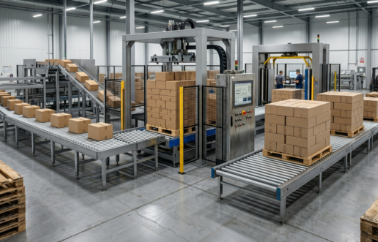
Equipment selection directly affects how efficiently a facility manages mixed SKU palletizing. Different palletizer designs offer distinct advantages depending on product characteristics and production requirements.
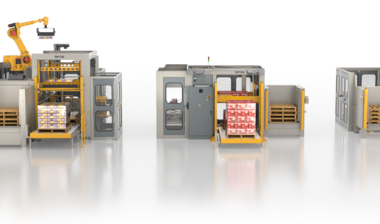
As an experienced palletizing company, TopTier provides conventional and robotic palletizing solutions for manufacturers seeking dependable end-of-line automation. Conventional palletizers can provide efficient handling when products follow predictable dimensions and established stacking patterns. Robotic palletizing systems offer additional placement flexibility for applications that require varied product arrangements.
Evaluate Robotic Palletizing CapabilitiesRobotic solutions use programmable movements and specialized end-of-arm tooling to position products on pallets. This flexibility can support applications involving multiple package sizes or changing pallet configurations.
However, robotic equipment must match the application's actual handling requirements. Gripper design, product weight, and placement accuracy influence whether a system can consistently manage the intended SKU mix.
Facilities considering TopTier's palletizing equipment should evaluate product specifications. They should also consider anticipated production demands.
4. Plan for Efficient Product SequencingProduct sequencing determines when individual cases reach the palletizer and where they belong within the finished load. In mixed SKU operations, incorrect sequencing can disrupt an otherwise effective pallet pattern.
For example, a palletizer cannot build a stable foundation when the required heavier cases arrive after lighter products. Coordinating product flow with the intended stacking arrangement helps prevent unnecessary interruptions.
Facilities should consider how upstream conveyors deliver products and whether accumulation systems can support the required sequence. The palletizing process must receive the appropriate products at the correct time to maintain consistent operation.
Coordinate Upstream and Downstream EquipmentEffective mixed SKU palletizing requires coordination between product handling equipment and the palletizer itself. Conveyor layouts should provide reliable product transfers while accommodating the application's required case orientation.
Downstream equipment must also handle completed pallets without disturbing their arrangement. Reviewing the entire end-of-line process helps identify potential bottlenecks before they affect production.
5. Consider Load Containment and Stretch WrappingMixed SKU pallets often contain uneven surfaces that complicate stretch wrapping. Differences in package dimensions can create exposed corners or irregular edges that require careful film application.
Proper load containment helps maintain pallet integrity during warehouse handling and distribution. Manufacturers must evaluate film tension and wrapping patterns based on the completed load's characteristics.
TopTier specializes in palletizing equipment that incorporates concurrent stretch wrapping. This technology builds and wraps pallet loads within the same machine, helping manufacturers streamline their end-of-line operations.
Match Wrapping Methods To Load RequirementsNot every mixed SKU load requires the same wrapping approach. Facilities should assess how package strength and load geometry influence containment requirements.
Integrating wrapping with palletizing can reduce additional handling between processes. However, equipment compatibility depends on the specific load configuration and production application.
Mixed SKU palletizing can introduce additional complexity into production scheduling. Frequent product changes may affect cycle times, particularly when equipment must accommodate different placement requirements.
Manufacturers should evaluate throughput expectations based on their actual SKU combinations rather than relying exclusively on maximum equipment speeds.
Important performance considerations include:
- Case handling: Determine how package characteristics affect placement speed.
- Pattern changes: Evaluate how frequently pallet configurations change.
- Product availability: Confirm that upstream equipment delivers cases in sequence.
- Pallet transitions: Account for completed pallet discharge and replacement.
- Equipment integration: Identify potential delays between connected systems.
Understanding these requirements helps facilities select automation that supports realistic production demands.
7. Account for Operational FlexibilityProduct assortments rarely remain unchanged indefinitely. Manufacturers may introduce new package sizes or adjust distribution requirements as customer demand evolves.
Mixed SKU palletizing equipment should accommodate anticipated changes without requiring extensive mechanical modifications. Programmable placement capabilities can provide flexibility when product dimensions or pallet patterns change.
However, facilities must distinguish between occasional product adjustments and frequent configuration changes. Each application places different demands on equipment programming and material handling.
Evaluate Long-Term Equipment RequirementsPlanning for future production needs starts with reviewing current product specifications. Manufacturers should also identify potential packaging changes that could affect palletizing performance.
TopTier's experience with robotic and conventional palletizing helps customers evaluate equipment options according to their operational requirements. Selecting an appropriate system supports consistent performance as production demands evolve.
8. Prioritize Maintenance and Operator AccessibilityReliable palletizing operations depend on equipment that operators can access and maintain efficiently. Mixed SKU applications may require additional adjustments when product characteristics change.
Clear operating procedures help personnel recognize incorrect case positioning before it disrupts pallet formation. Accessible equipment components also simplify routine inspections and maintenance activities.
Manufacturers should consider how operators interact with the system during normal production. TopTier's Safeguard™ Preventative Maintenance Program helps facilities maintain equipment performance and reduce unexpected downtime. Regular maintenance and dependable equipment operation support consistent pallet quality and long-term reliability.
Improve Mixed SKU Palletizing With TopTierSuccessful mixed SKU palletizing requires careful coordination between product characteristics and equipment capabilities. Manufacturers that evaluate load stability, sequencing, and wrapping requirements can reduce handling challenges while maintaining dependable production. Understanding the key considerations for mixed SKU palletizing operations also helps facilities identify automation opportunities that align with their production goals.
TopTier provides palletizing solutions designed to support efficient end-of-line operations. From conventional equipment to flexible robotic systems, we help manufacturers evaluate practical approaches to automated pallet handling. Contact TopTier to discuss your application and learn more about equipment options for your palletizing operation.