Bottled water creates demanding palletizing conditions because smooth packaging, shifting containers, and high production volumes leave little room for inconsistent handling. Understanding how to palletize bottled water efficiently and safely starts with controlling movement from the infeed through final load containment. A well-designed system keeps bottles or bundled packs aligned while forming repeatable layers that withstand storage and transportation. TopTier applies its end-of-line palletizing experience to help beverage producers improve load consistency while reducing manual handling and avoidable product damage.
Start With the Bottle Packaging and Pallet PatternAn efficient palletizing process begins before a product reaches the palletizer. Bottled water may arrive as corrugated cases, trays, or shrink-wrapped bundles, and each format behaves differently during conveying and layer formation. Flexible film can allow bottles to shift inside a bundle, while lightweight trays may provide less side support than enclosed cases. The palletizing system must control these packages without abrupt contact that disturbs bottle orientation.
Pallet pattern selection also affects how the finished load performs. A pattern should distribute weight evenly and position each package to support the surrounding load. Accurate spacing prevents gaps from accumulating as rows form. When the palletizer repeats that pattern consistently, producers can reduce leaning loads and product damage while achieving more predictable results between production runs.
TopTier's low-infeed palletizers offer PerfectPattern induction technology, which controls products through the infeed and confirms their final orientation before row building. That control matters with bottled water because small positioning errors can create larger alignment problems higher in the load. Precise load formation gives every new layer a reliable foundation.
Control Product Movement Through the PalletizerFast palletizing only adds value when the machine handles products smoothly. Bottled water packages can deform or shift when conveyors force them through abrupt directional changes or allow products to collide. Controlled movement preserves package shape before layer formation and supports accurate placement at the pallet.
For many beverage applications, row-forming equipment provides an effective way to organize packages before transferring a completed layer. TopTier low-infeed palletizers use floor-level row formation and accommodate a wide range of product formats. The TTX Series also incorporates EZ Turn technology to control product rotation and placement. Smoother handling reduces product disturbance and helps maintain consistent pallet builds as line rates increase.
A low infeed configuration can also simplify integration with upstream packaging equipment. Floor-level access supports operation and maintenance, while the compact configuration helps plants automate palletizing without consuming unnecessary production space. Matching the palletizer layout to the existing line keeps product moving steadily and reduces interruptions that can affect uptime.
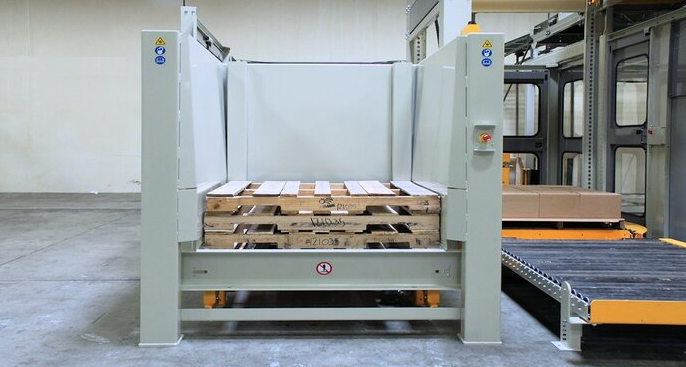
Consistency requires more than stacking the correct quantity of packages. Every stage should protect the intended pallet pattern and maintain control of the product. An effective bottled water palletizing process should focus on these priorities:
- Keep incoming packages square before row formation.
- Maintain proper spacing as each row develops.
- Select pallet patterns that distribute load weight effectively.
- Control product rotation without disturbing wrapped bundles.
- Confirm pallet position before placing the first layer.
- Adjust pattern settings when package formats change.
These practices create a process that operators can manage without constant manual correction. Fewer interventions can reduce line disruption while limiting employee interaction with developing loads. Repeatable settings also make troubleshooting easier when packaging characteristics or upstream conditions change.
TopTier's Easy Stack Pro™ software allows facilities to store pallet patterns and select them through the machine interface. For beverage plants running different bottle counts or secondary package formats, accessible pattern management can support faster changeovers and reduce setup errors. Greater consistency helps protect throughput while reducing malformed loads that require rework or create product waste.
Stabilize Loads as the Palletizer Builds ThemBottled water loads can become unstable before they reach a separate stretch wrapper. As layers accumulate, flexible secondary packaging may allow bottles or bundles to move. When an unsecured load travels away from the palletizer, conveyor movement can magnify an alignment problem that began during layer formation.
TopTier addresses this challenge with concurrent stretch wrapping. The integrated system applies film while the palletizer builds the load, so stabilization starts during pallet formation instead of after the completed pallet exits. The system can continue preparing product while wrapping occurs, helping maintain production flow without requiring a separate downstream wrapping process.
Integrated wrapping also supports more consistent film application. Controlled film delivery provides repeatable containment without depending on manual wrapping practices that can vary between operators. Consistent application can reduce unnecessary film consumption while helping prevent damaged loads. Combining palletizing and wrapping also preserves valuable floor space on crowded beverage lines.
Consider When Robotic Palletizing Fits the ApplicationNot every bottled water line requires the same palletizing technology. Conventional row-forming palletizers can suit applications that prioritize repeatable layer formation at steady production rates. Robotic systems may fit operations that need flexible product handling or layouts that benefit from a robotic cell.
TopTier offers conventional and robotic palletizing solutions, so equipment selection can begin with the application instead of forcing every operation into one technology. Package format and required production rate should guide the decision. Available floor space and expected product changes also influence the system design.
For bottled water, end-of-arm tooling requires careful consideration in a robotic application. The tool must grip or support secondary packaging without crushing bottles or tearing film. Testing actual production packages before finalizing the system can confirm whether the handling method maintains package integrity throughout the expected product range.
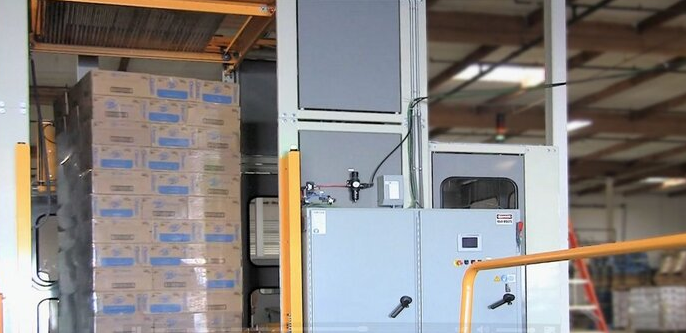
Manual palletizing requires repetitive lifting and frequent interaction with moving products. Automation transfers much of that work into a controlled machine process, but facilities still need appropriate guarding and safe access for normal operation. Operators need clear procedures for responding to faults and entering safeguarded areas when necessary.
A well-integrated palletizing cell also reduces the need for employees to correct unstable loads manually. Accurate positioning and early load containment limit situations where someone may try to straighten a package after the pallet has started forming. This supports safer work practices while helping the line maintain predictable output.
TopTier designs palletizing and wrapping as coordinated end-of-line functions. When controls and load formation work together with wrapping, operators can manage the process through a unified system. This approach reduces unnecessary intervention and helps facilities maintain uptime while producing consistent loads.
Improve Bottled Water Palletizing With TopTierKnowing how to palletize bottled water efficiently and safely requires more than choosing equipment capable of stacking packages. Beverage producers need controlled product movement and accurate layer formation supported by dependable load containment. TopTier low-infeed palletizers can bring these functions together with floor-level row formation, operator-friendly pattern controls, and integrated concurrent stretch wrapping. Matching the palletizer to actual packaging and production requirements can reduce product waste, limit damaged loads, improve uptime, and create more consistent pallets that move confidently into storage or shipment.