Artificial intelligence offers manufacturers new opportunities to improve supply chain performance without replacing every existing system. From production planning to automated palletizing, AI helps facilities identify inefficiencies and make informed decisions based on operational data. However, successful adoption requires clear objectives and a practical understanding of how new technology fits existing workflows. Following best practices for implementing AI in your supply chain can help manufacturers improve reliability while protecting their investments in established equipment.
Identify Supply Chain Challenges Before Investing in AIEvery successful AI implementation starts with a clearly defined operational problem. Manufacturers should examine where production delays occur and which processes generate unnecessary costs. Without specific objectives, companies risk investing in sophisticated technology that delivers little practical value.
Begin by reviewing production records and identifying recurring bottlenecks. For example, inconsistent pallet formation may create problems during transportation, while unpredictable equipment failures can interrupt production schedules. These challenges provide measurable opportunities for improvement through intelligent automation.
Prioritize applications that directly affect operational performance. A facility struggling with frequent palletizing interruptions may benefit more from predictive maintenance than advanced demand forecasting. Matching AI capabilities to existing challenges helps manufacturers focus resources where they can deliver meaningful results.
Build a Reliable Foundation for AI IntegrationAI systems depend on accurate operational data to generate useful recommendations. Before introducing new technology, manufacturers should evaluate how their existing equipment collects and communicates information.
Production lines often contain machinery from different manufacturers, making consistent data collection difficult. Connecting equipment through compatible control systems allows facilities to monitor performance across multiple production stages.
Data quality matters just as much as availability. Incomplete equipment records can produce misleading recommendations, particularly when manufacturers use AI to predict maintenance requirements.
Establish consistent procedures for recording production activity and equipment interruptions. Reliable information helps intelligent systems distinguish normal operating variations from problems that require attention.
Understand How AI Can Improve Palletizing SystemsPalletizing represents a valuable opportunity for manufacturers seeking practical applications of AI. Intelligent monitoring can help facilities evaluate pallet patterns and identify conditions that contribute to unstable loads.
AI can analyze production information to recommend adjustments that improve load formation accuracy. When manufacturers combine these insights with properly configured palletizing equipment, they can reduce damaged loads and limit unnecessary product waste.
TopTier specializes in automated palletizing solutions designed to support consistent load formation. Its conventional and robotic palletizing systems provide manufacturers with different approaches to handling production requirements.
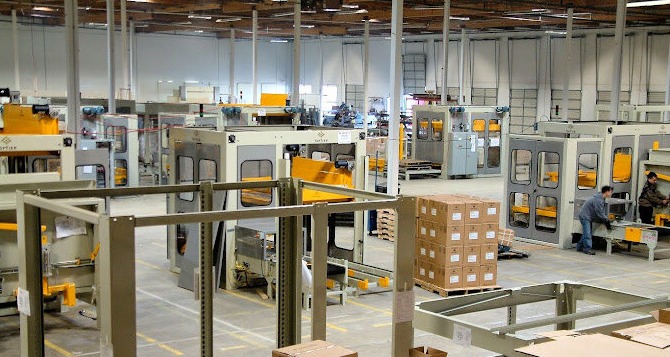
Robotic palletizers offer flexibility when facilities handle changing product dimensions or multiple packaging formats. Their programmable movements allow manufacturers to accommodate different stacking configurations without relying entirely on manual adjustments.
AI can complement robotic palletizing by analyzing historical performance and identifying opportunities to refine operating parameters. However, equipment capabilities and integration requirements determine which improvements manufacturers can realistically achieve.
Conventional palletizers, such as floor-level palletizers, also remain valuable for applications requiring repeatable patterns and consistent throughput. Selecting between robotic and conventional equipment requires evaluating product characteristics alongside production demands.
Use Predictive Maintenance To Protect Production UptimeUnexpected equipment failures can disrupt the entire supply chain. When palletizing equipment stops operating, finished products may accumulate upstream and delay scheduled shipments.
Predictive maintenance uses equipment data to identify unusual operating conditions before they develop into serious failures. AI models can evaluate changes in motor performance or cycle behavior to help maintenance personnel recognize potential problems.
This approach allows facilities to schedule inspections around production requirements rather than waiting for breakdowns. Manufacturers can measure its effectiveness through reduced unplanned downtime and improved equipment availability.
Maintenance teams should still verify AI recommendations through established inspection procedures. Intelligent monitoring supports experienced technicians but cannot replace their understanding of mechanical equipment.
Establish Measurable Performance GoalsManufacturers need clear performance indicators to determine whether AI investments produce meaningful improvements. Establishing baseline measurements before implementation makes subsequent evaluations more useful.
Consider tracking these operational metrics:
- Equipment uptime: Measure changes in unplanned production interruptions.
- Product damage: Monitor rejected products and unstable pallet loads.
- Palletizing accuracy: Evaluate consistency across completed pallet patterns.
- Material consumption: Track stretch film usage per finished pallet.
- Production throughput: Compare completed pallets against established targets.
Review these measurements regularly and investigate unexpected changes. Consistent tracking helps facilities distinguish genuine operational improvements from temporary production fluctuations.
Connect Intelligent Monitoring With Integrated WrappingPallet stability depends on more than accurate product placement. Manufacturers must also apply stretch film consistently to protect completed loads during transportation.
TopTier offers palletizing systems with concurrent stretch wrapping, allowing equipment to build and wrap loads within one integrated process. This configuration reduces the need to transfer completed pallets between separate machines.
AI-driven analysis can help manufacturers evaluate wrapping performance when compatible sensors and monitoring systems provide appropriate data. Facilities might identify excessive film consumption or recurring load stability problems through production records.
Combining these insights with TopTier's integrated palletizing solutions can support more consistent packaging practices. Proper equipment configuration remains essential for achieving reliable results.
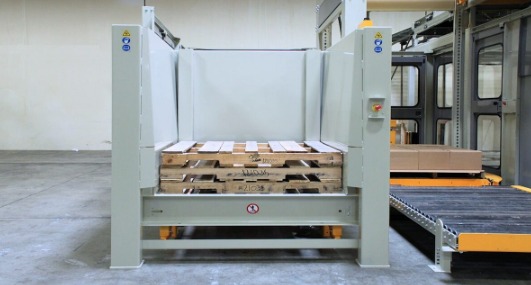
Rolling out AI across an entire facility simultaneously can create unnecessary operational risks. A controlled implementation allows manufacturers to test system performance before expanding automation.
Start with one production line or clearly defined process. Establish performance expectations and compare actual results against baseline measurements.
Involve equipment operators early because their practical experience helps identify problems that automated monitoring might overlook. Their feedback can also reveal whether recommended adjustments work under normal production conditions.
Once the initial application demonstrates reliable results, manufacturers can expand AI capabilities to additional equipment. This approach limits disruption while providing opportunities to refine integration procedures.
Prepare Employees for Intelligent AutomationAI implementation requires employees to understand how intelligent systems influence daily operations. Training should focus on interpreting recommendations and recognizing situations that require human intervention.
Maintenance personnel need practical instruction on equipment monitoring tools. Production supervisors should understand how AI recommendations relate to established performance targets.
Clear responsibilities help prevent confusion when automated systems identify unusual operating conditions. Employees must know when to investigate alerts and when to continue normal production.
Manufacturers should also evaluate cybersecurity requirements before connecting additional equipment. Protecting operational information supports reliable communication between intelligent systems and existing machinery.
Improve Supply Chain Performance With TopTierSuccessful AI adoption depends on selecting applications that address real manufacturing challenges. Reliable data and careful equipment integration help facilities achieve lasting improvements without unnecessary complexity.
Following best practices for implementing AI in your supply chain creates opportunities to reduce waste and improve operational consistency. TopTier supports these objectives through conventional and robotic palletizing solutions, including systems with concurrent stretch wrapping. Contact TopTier to discuss palletizing equipment that complements your manufacturing operations and long-term automation goals.