Choosing the right palletizer is one of the most important decisions you will make for your end-of-line operation. Your palletizing system directly affects throughput, labor efficiency, load stability, and overall production flow. When you understand how to choose the right palletizer based on your facility’s goals, product mix, and long-term growth plans, you position your operation for greater consistency, safety, and profitability.
Understand Your Production RequirementsThe first step in selecting a palletizer is evaluating your production environment. You need to clearly define your line speed, product types, packaging formats, and shift schedules. A facility running multiple SKUs at varying speeds will require a different solution than a single-product, high-volume operation.
Consider how many layers per minute your line demands and how often changeovers occur. If you frequently adjust case sizes or patterns, flexibility becomes critical. If your production runs remain consistent and predictable, you may prioritize speed and durability over adaptability.
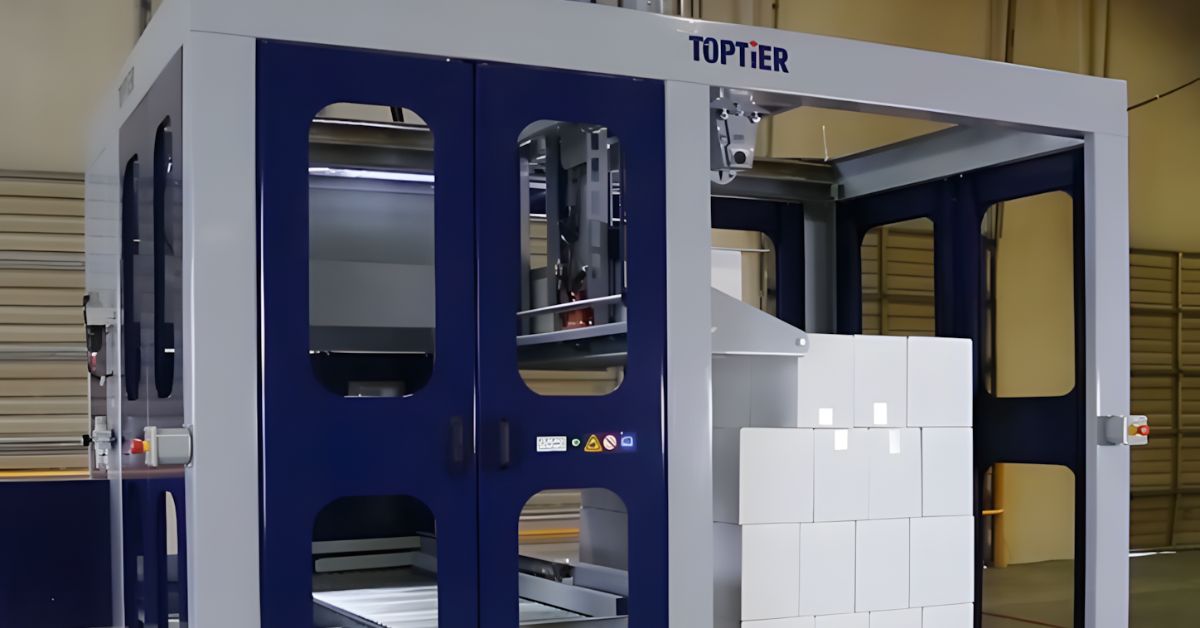
Space constraints also matter. Some facilities operate with limited floor space and low ceilings, while others have room for large-scale systems. Your physical layout will influence whether a low-infeed conventional palletizer, a high-infeed system, or a robotic solution makes the most sense.
Evaluate Conventional vs. Robotic PalletizersOnce you understand your production requirements, compare conventional and robotic palletizing technologies. Each offers distinct advantages depending on your application.
Conventional palletizers typically excel in high-speed environments with consistent case dimensions. These systems provide dependable performance for facilities that demand steady output and minimal variation. They integrate well into established production lines and handle heavy loads efficiently.
Robotic palletizers, on the other hand, offer greater flexibility. A robotic arm can easily adjust to different case sizes, layer patterns, and product types. If your operation frequently changes SKUs or anticipates growth into new packaging formats, robotic palletizing may provide the adaptability you need.
The choice is not about which system is better overall. It is about which system aligns with your production goals, labor model, and future expansion plans.
Consider Labor and Safety GoalsLabor availability continues to challenge many manufacturing facilities. A palletizer should reduce physical strain, improve safety, and create a more predictable workflow. When evaluating systems, look at how the machine interacts with operators and maintenance staff.
Automation minimizes repetitive lifting and stacking tasks. It also reduces the risk of injuries associated with manual palletizing. Some palletizing systems integrate concurrent stretch wrapping, which builds and wraps the load in one machine. This design improves safety by limiting forklift traffic and reducing manual intervention.
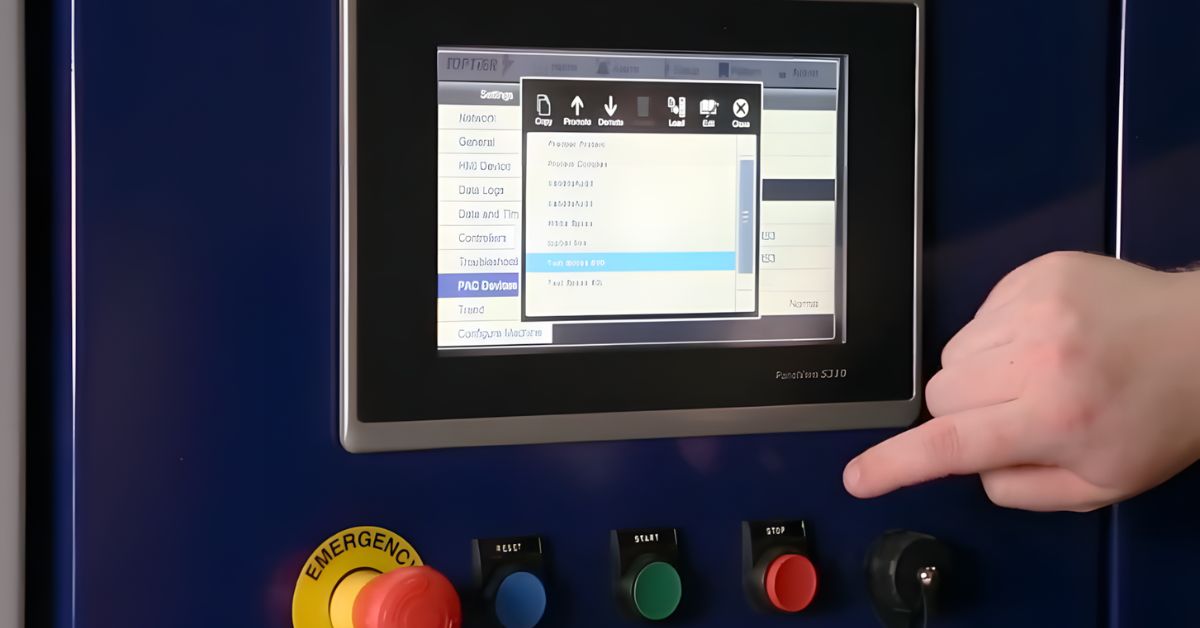
Safety should never be an afterthought. Guarding, access points, and intuitive controls all contribute to a secure and efficient work environment.
A palletizer does more than stack boxes. It builds the foundation for safe transportation and product integrity. Poorly constructed loads lead to damaged goods, wasted stretch film, and unnecessary returns.
Evaluate how the system forms layers and maintains consistent alignment. Precise case placement ensures stable loads that withstand shipping and warehousing conditions. Integrated stretch wrapping enhances containment force and reduces the likelihood of shifting during transit.
Load consistency also impacts sustainability. When a palletizer applies stretch film evenly and efficiently, it reduces material waste. Strong, stable loads prevent damaged goods from ending up in landfills, protecting both your product and your brand reputation.
Plan for Scalability and GrowthYour palletizing solution should support your current output and your future growth. Many businesses expand production, add new product lines, or enter new markets within a few years of installing equipment.
Ask whether the system can handle increased throughput. Can it accommodate new case sizes or packaging formats? Will it integrate easily with additional conveyors or upstream automation?
Choosing a palletizer with scalability in mind prevents costly replacements down the road. A well-designed system evolves with your operation rather than limiting it.
Review Maintenance and Support ConsiderationsDowntime directly impacts profitability. When selecting a palletizer, assess the availability of service support, replacement parts, and technical expertise. Reliable equipment should feature accessible components and straightforward maintenance procedures.
Look for a manufacturer that designs, builds, installs, and services its equipment with deep experience in palletizing. A vertically integrated approach often results in better quality control and long-term reliability.
You should also evaluate training options. Operators and maintenance teams must understand how to run and troubleshoot the system efficiently. Clear documentation and responsive support reduce disruption and keep production moving.
While initial cost matters, it should not be the sole deciding factor. The total cost of ownership includes installation, maintenance, labor savings, film usage, and productivity gains. A lower upfront price does not always translate into long-term value.
Consider how automation improves throughput and reduces waste. Think about labor reallocation and reduced injury risk. Factor in product protection and fewer damaged shipments.
A well-chosen palletizer often pays for itself through improved efficiency and operational stability. The key is aligning your investment with measurable performance goals.
Align Technology With Industry DemandsDifferent industries have unique palletizing requirements. Food and beverage operations may prioritize speed and sanitation. Craft breweries and spirits producers often require flexibility for varied case sizes. Cosmetics and printing operations demand precise stacking to protect packaging aesthetics.
Third-party logistics and distribution centers need systems that handle multiple clients and fluctuating volumes. Your industry context should guide your palletizer selection and configuration. By accounting for these factors, you ensure your palletizing system meets day-to-day production requirements and consistently delivers the performance and reliability your customers expect.
Make a Strategic InvestmentSelecting a palletizer is a strategic decision that influences productivity, safety, and profitability across your facility. When you take the time to assess production needs, evaluate technology options, and plan for growth, you gain clarity on how to choose the right palletizer for your operation. The right system delivers consistent loads, reduces labor strain, and protects your products from damage.
TopTier has industrial palletizers that will optimize your business operations by combining precision engineering with advanced automation. Our systems build stable loads, integrate stretch wrapping, and deliver reliable performance across a wide range of production environments. Contact us today to invest with confidence and position your facility for long-term success.