Pharmaceutical manufacturers face unique challenges when preparing products for distribution. Every pallet must protect sensitive packaging while supporting efficient handling throughout the supply chain. Maintaining product integrity requires careful attention to load formation, equipment performance, and warehouse conditions. Understanding safe pharmaceutical palletizing and storage helps facilities reduce handling risks while maintaining consistent operations.
Automated palletizing equipment plays an important role by creating stable loads and limiting unnecessary product contact. With the right approach, manufacturers can strengthen their end-of-line processes without compromising the strict handling requirements associated with pharmaceutical products.
Why Pharmaceutical Palletizing Requires Special AttentionPharmaceutical products often travel through multiple handling environments before reaching their final destinations. Cartons may contain fragile containers or temperature-sensitive materials that require careful handling. Poor pallet construction can expose these products to crushing forces or unstable stacking conditions.
Unlike many general merchandise applications, pharmaceutical operations must also account for traceability and documented handling procedures. Palletizing equipment must work within established production controls while maintaining reliable package orientation.
A consistent palletizing process helps manufacturers protect secondary packaging and reduce disruptions during downstream handling. Automated systems also support repeatable load patterns that operators can monitor throughout production.
Establishing Safe Palletizing ProceduresEffective palletizing begins before the first carton reaches the pallet. Manufacturers need to evaluate packaging strength and determine how different stacking arrangements affect load stability.
Select Appropriate Pallet PatternsPallet patterns influence how weight moves through stacked cartons. Column stacking aligns cartons vertically, allowing stronger packaging surfaces to support the weight above them. Interlocking patterns may improve lateral stability, depending on carton construction.
Manufacturers should evaluate each pattern against package dimensions and expected handling conditions. A pattern that works for rigid cartons may create unnecessary pressure on lighter pharmaceutical packaging.
Maintain Consistent Load DimensionsUneven pallet edges increase the likelihood of product damage during forklift movement. Overhanging cartons can also experience compression when operators position loads near warehouse equipment.
Automatic palletizers help maintain repeatable placement by following programmed stacking patterns. Consistent load dimensions make it easier to apply stretch film evenly and manage pallet movement through automated conveyors.
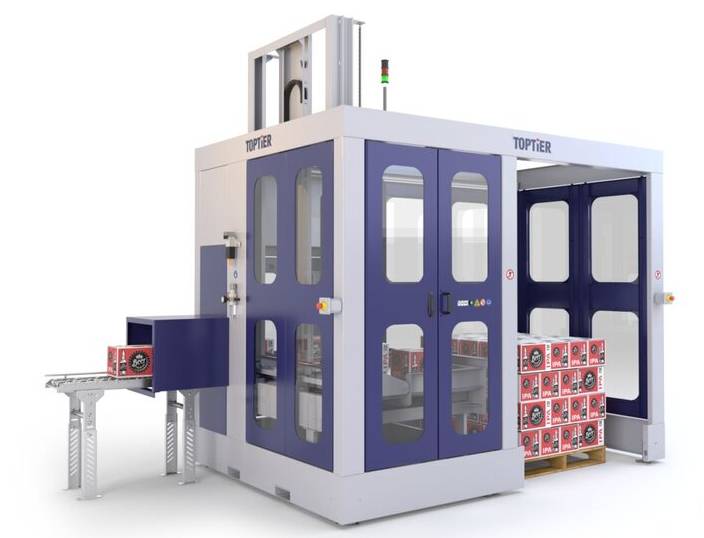
Manual palletizing introduces variability because workers must repeatedly lift cartons and position them accurately. Fatigue can affect placement consistency, particularly during extended production shifts.
Automated equipment reduces repetitive lifting while helping manufacturers maintain predictable stacking sequences. Facilities can configure palletizing systems around package characteristics and production requirements.
Conventional and Robotic Palletizing OptionsDifferent pharmaceutical applications require different equipment configurations. Conventional palletizers can support repetitive production runs with consistent carton dimensions. Robotic systems offer programmable movement patterns that accommodate changing package sizes.
TopTier manufactures automatic palletizers designed for end-of-line applications. Our conventional and robotic palletizing solutions help manufacturers select equipment that matches their production layouts and handling needs.
Equipment selection should consider carton weight and required throughput. Manufacturers should also evaluate how upstream packaging equipment delivers products to the palletizer.
Reduce Unnecessary Product HandlingEvery additional handling step creates another opportunity for cartons to shift or experience impact. Integrating palletizing equipment with upstream conveyors helps maintain controlled product movement.
Automated transfers can reduce manual repositioning between packaging and pallet construction. This approach supports consistent carton orientation and helps operators maintain predictable production flow.
Protecting Pharmaceutical Loads With Stretch WrappingStretch wrapping helps stabilize completed pallets before warehouse handling begins. Proper film application limits carton movement while maintaining the intended load configuration.
However, excessive film tension can deform lightweight cartons. Insufficient containment force may allow products to shift during transportation. Manufacturers must balance these considerations according to packaging strength.
TopTier offers palletizing solutions with concurrent stretch wrapping capabilities. These systems build and wrap loads within the same equipment, reducing the need for separate wrapping operations.
Integrated wrapping can also minimize transfers between palletizing and load containment equipment. Facilities benefit from a more coordinated end-of-line process while maintaining consistent film application.
Pharmaceutical Warehouse Storage Best PracticesPalletizing quality directly affects warehouse storage performance. Even carefully constructed loads require appropriate storage conditions and handling procedures.
Facilities should establish clear expectations for pallet placement and product movement. These practices help prevent avoidable packaging damage while supporting inventory control.
Key storage considerations include:
- Temperature control: Maintain conditions appropriate for each product's documented storage requirements.
- Pallet condition: Inspect pallets for damaged boards or structural weaknesses before loading.
- Stacking limits: Follow validated load heights and packaging weight restrictions.
- Inventory identification: Keep product labels accessible for accurate tracking and retrieval.
- Warehouse cleanliness: Maintain clean storage areas that support established sanitation procedures.
- Handling practices: Train forklift operators to move pharmaceutical loads without sudden impacts.
Storage procedures should reflect product specifications and applicable quality requirements. Automated palletizing supports these practices by delivering consistent loads that warehouse personnel can handle more predictably.
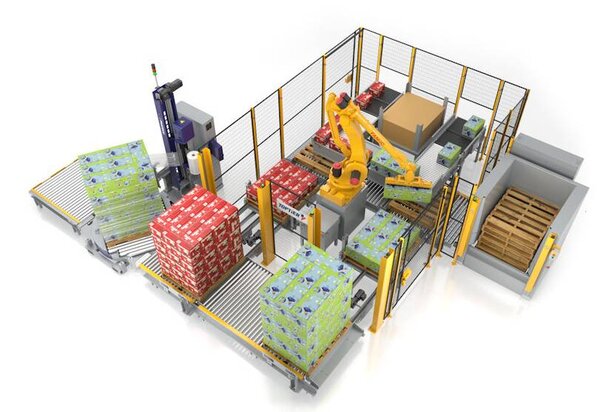
An effective pharmaceutical palletizing system must coordinate with the surrounding production environment. Conveyor speeds and pallet discharge arrangements influence how efficiently finished loads move toward storage.
Coordinate Upstream and Downstream EquipmentPackaging lines may experience temporary interruptions when labeling equipment or case packers require adjustments. Palletizing systems must accommodate these changes without creating unnecessary congestion.
Manufacturers can improve coordination by evaluating accumulation space and equipment communication during system planning. Proper integration helps maintain controlled carton flow and reduces unexpected stoppages.
Support Maintenance and Equipment ReliabilityReliable palletizing depends on routine equipment inspections and timely maintenance. Worn components or misaligned conveyors can affect carton placement and disrupt established stacking patterns.
Maintenance personnel should monitor equipment performance and address developing problems before they interrupt production. Clear operating procedures also help technicians restore normal operation after adjustments.
Evaluating Pharmaceutical Palletizing EquipmentSelecting the right system requires a detailed understanding of production demands. Manufacturers should examine available floor space and the range of packaging formats their facilities process.
Automatic palletizers can reduce dependence on manual stacking while providing consistent load formation. However, equipment must accommodate the packaging characteristics and handling requirements of each application.
TopTier's experience with conventional and robotic palletizing provides manufacturers with options for different production environments. Our integrated wrapping capabilities offer another consideration when evaluating end-of-line equipment configurations.
Manufacturers should also consider equipment accessibility during cleaning and maintenance. A well-planned installation allows personnel to perform necessary tasks without disrupting surrounding operations.
Strengthen Pharmaceutical Palletizing With TopTierAchieving safe pharmaceutical palletizing and storage requires equipment that protects packaging while supporting reliable production. TopTier helps manufacturers address these challenges through automatic palletizers designed for consistent load formation and efficient operation. Our conventional and robotic systems accommodate different production requirements, while concurrent stretch wrapping provides integrated load containment.
By evaluating package characteristics and operational needs, manufacturers can build an end-of-line process that supports product protection and dependable warehouse handling. Contact TopTier to learn more about our palletizing solutions and discuss equipment options for your pharmaceutical manufacturing facility.